
The development of shooting at Bereleigh
Bill Tyrwhitt Drake gave a talk on the development of shooting at Bereleigh in April 2020.
Link to the audio and transcript is here
Bill Tyrwhitt Drake gave a talk on the development of shooting at Bereleigh in April 2020.
Link to the audio and transcript is here
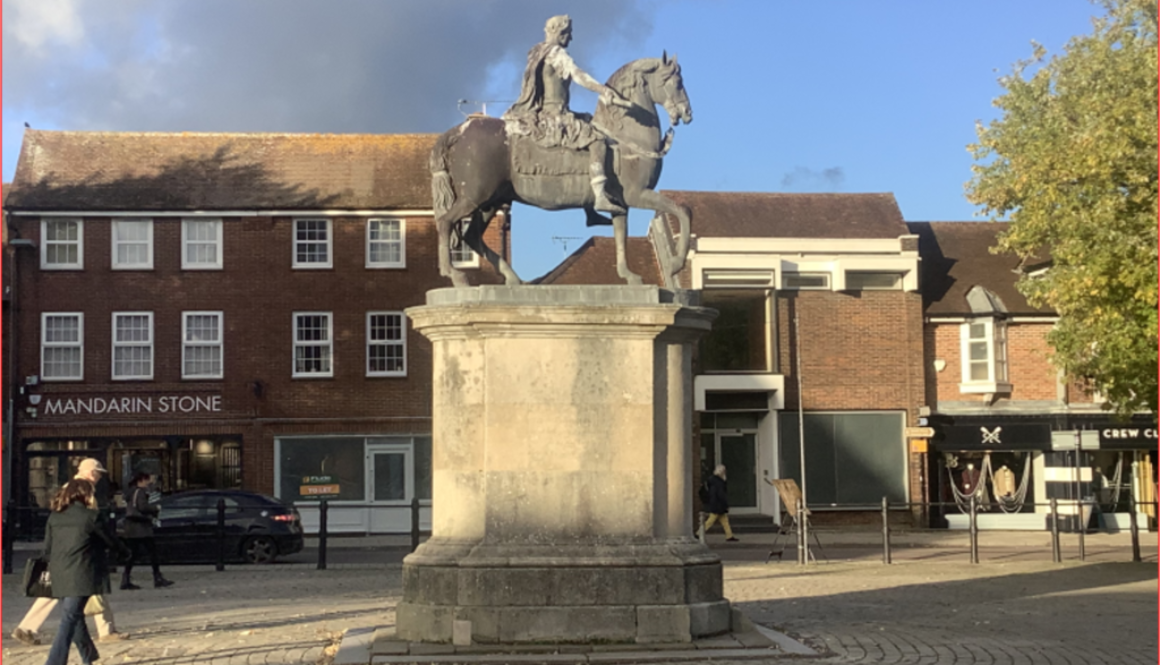
Local historian David Jeffery gave us a talk in December 2023 on the William 111 statue in Petersfield Market and its place in history. Links to a transcript of his talk and slides are below:
Open or Download PDF in new window (163KB)
Open or Download PDF in new window (3.9MB)

For over 1,000 years, the church was at the heart of the community of East Meon. Michael talks about the history of the building and its role in village life.
Two part video below.
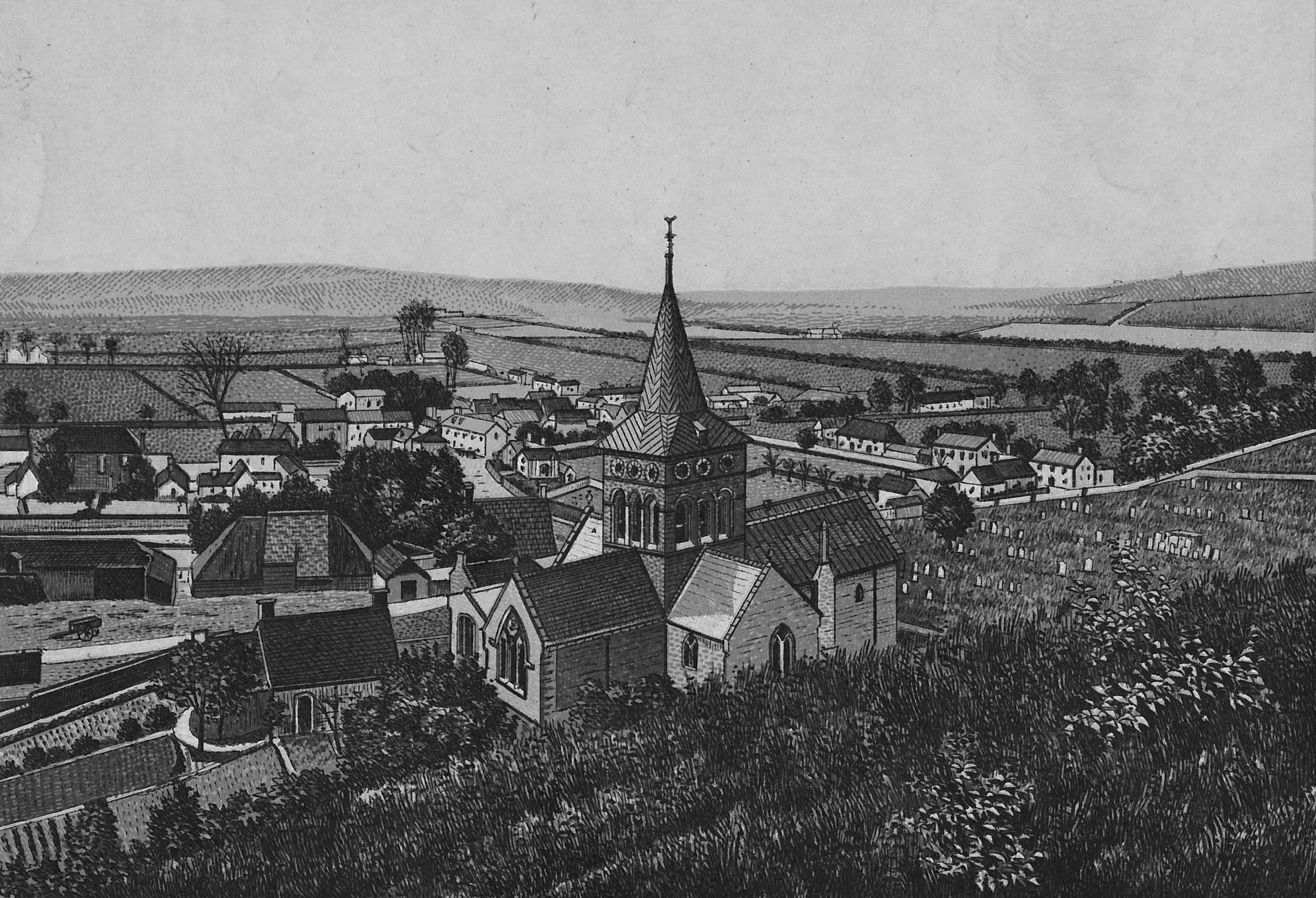
Perhaps because the parish was impoverished, All Saints only received structural attention once in the 19th century, and that was to its infrastructure; it thus escaped the worst of the Victorian ‘improvements’ which robbed many medieval churches of their character.

After the death of Thomas Cooke Kemp his successor, William Brodie engaged the architect Ewen Christian in 1869 to oversee essential refurbishment. The external signs of his restoration are gutters and down pipes and he also worked on the roofs, especially of the Lady Chapel, chancel and transepts, and the spire. The three-faced clock came at this time. Internally, the box pews and gallery were removed,and were replaced by bench pews. (In the plaque commemorating the restoration work, John Christmas is named as one of the churchwardens who coordinated and presumably contributed financially to the work, which was done at the expense of parishioners.)
In the last decades of the nineteenth century, separate parishes were established in Froxfield, Steep and, in 1874, Langrish. The vicar of East Meon could now concentrate on the village of East Meon and surrounding areas: Coombe, Riplington, Bereleigh and Oxenbourne. Geographically, it was still a large parish.