
In the early 20th century, most villagers were unable to travel outside East Meon. With over 20 shops and trades, the village was virtually self-sufficient.
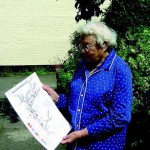
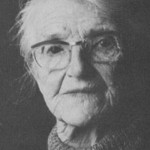
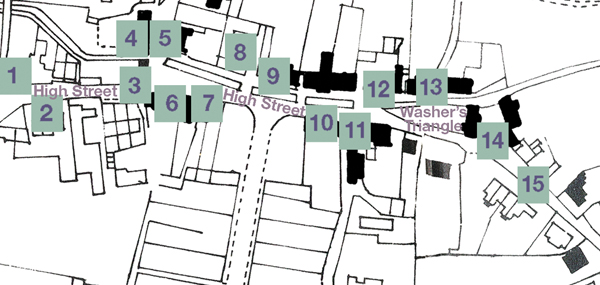
In 2007, retired district nurse Margery Lambert drew a map from her memory of the stores and workshops which had served East Meon in the 1920s. Earlier, another villager, Clara Fisher, had described to village historian Freddie Standfield life in the village as she remembered it between the wars. Together with other personal memories, they provide a vivid picture of a thriving High Street in which almost every building offered goods or services. Today, East Meon has one shop and two pubs.

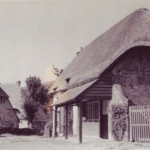
Provisions
“The village had four bakers, three grocers, a butchers, two mills, wheelwrights, farriers, a post office, and even a fish and chip shop, as well as visits from ‘travelling shops’ selling fish and meat. Clothes, boots and shoes could be bought at one grocery shop (Warrens).” Clara Fisher.

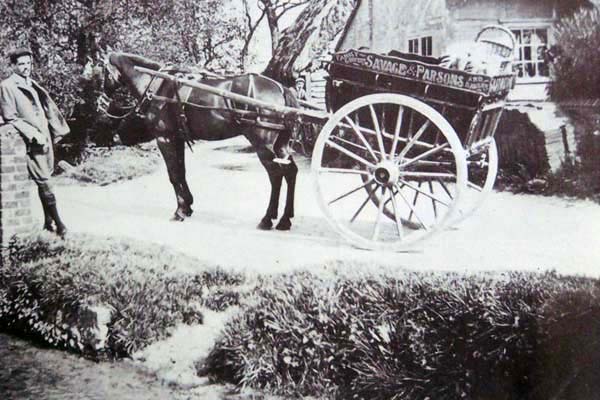

“All Groceries, excepting Smiths at the Post Office, sold Paraffin Oil, a most important requisite for the cottagers who had no electricity.” Margery Lambert.
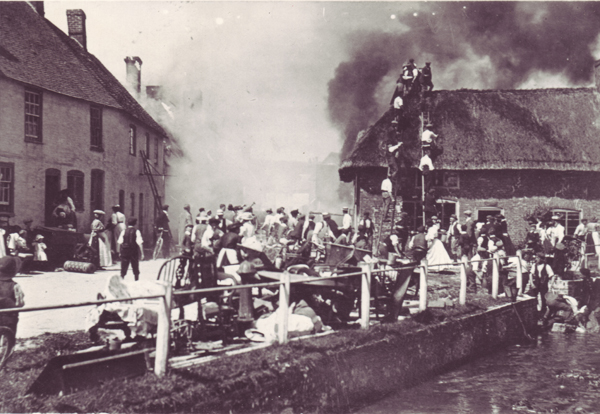

survived the fire; it was later taken over by HG Pink and then Mr Witt, butcher.
“David Coles was the resident of Glenthorne; the farmyard fielded a dairy. He kept a retail shop at what is now ‘The Gatehouse’ and sold sweets, milk, butter and, when he killed a pig, faggots and offal. He had about six to eight cows that grazed on the present Glenthorne Meadows housing estate.” Clara Fisher.
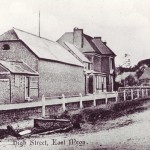
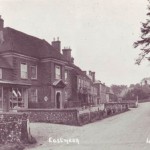
“Wet & Dry Fish was available twice weekly from a niche in the wall between Glenthorne shop and the dwelling attached to the Old Post Office. You can see it bricked up in the wall.” Margery Lambert.
Click on Pubs, Transport, Smiths and Healthcare for more about village trades. For source materials on Shops, Pubs and Trades, in the online archive, click here.